
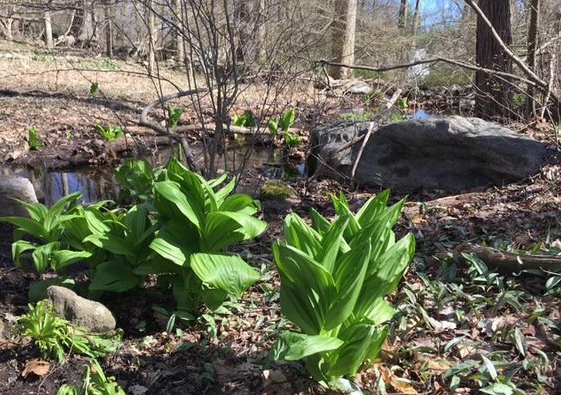
False Hellebore Veratrum viride
This plant which grows near wetlands is commonly called false hellebore. It is also known by many other vernacular names such as: Indian poke; corn lily; bear corn; devil’s bite; duck retten; itch weed; poor Annie and tickleweed. And these are only the English names. What about all the foreign language monikers? So many names cause confusion and makes one wonder if they all refer to the same plant.
Thanks to Swedish botanist Carl Linnaeus, we have a universal naming system that supersedes differences in languages and local dialects. It enables botanists and lay people around the world to identify plants and animals in the same way.
Linnaeus lived in the 1700’s during the colonial period when Europeans travelled far and wide across the globe and were introduced to a plethora of plants previously unknown to them. The ‘new’ plants they encountered had varying names in different languages as well as within regions and dialects. Linnaeus recognized the need to standardize names and developed the system of binominal nomenclature. He chose to use Latin due to its prevalence as a universal language at the time. Latin was not only the language of scholars throughout Europe, it was also the language of the Catholic Church whose influence spread rapidly across continents during the colonial period.
Linnaeus devised a seven-tier system for naming all living things. First, he divided them into two kingdoms: plants and animals. (note: in recent years scientists have removed fungi and bacteria from the plant kingdom and assigned them their own two kingdoms). Next after Kingdom comes Phylum, Class, Order, Family, Genus and Species which continue to sort all living things into similar groups. The latter two are used for naming. In binominal nomenclature, every living thing is identified in Latin, first by genus and secondly by species. The official name of false hellebore is Veratrum viride. Several different kinds of Veratrum are native to Europe, but the species viride is only found on the east and west coasts of North America.
Following are some examples of official and vernacular names. Some refer to physical attributes while others hint of their qualities as herbal medicines.
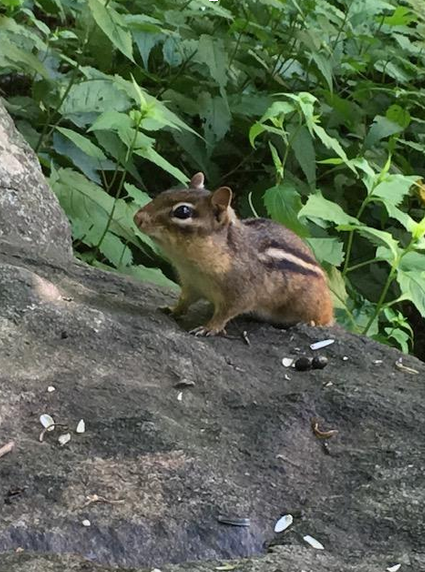
Common name: Eastern chipmunk
Latin name: Tamias striatus
Chipmunk is derived from the Algonquin language. Other regional names include: ground squirrel; stripies; chipping squirrels; timber tigers and grinnies.
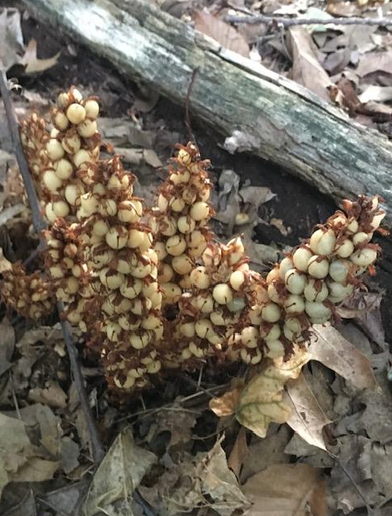
Common name: American cancer root
Latin name: Conopholis americana
Other regional names: bear corn; Indian corn; squaw corn; papoose root and bumeh.
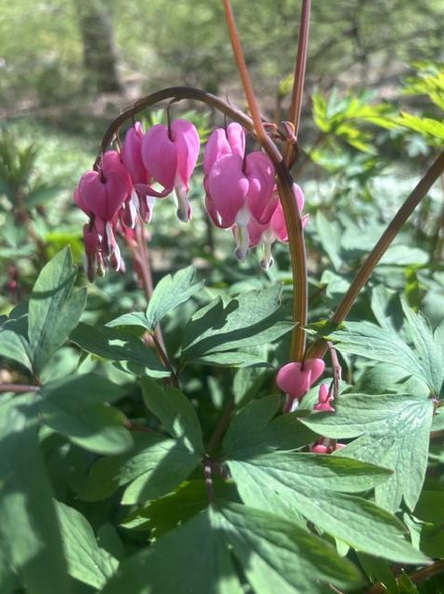
Common name: Old-fashioned Bleeding Heart
Latin name: Lamprocapnos spectabilis
Other regional names: lady in her bath; lyre flower; heart flower and locks and keys.
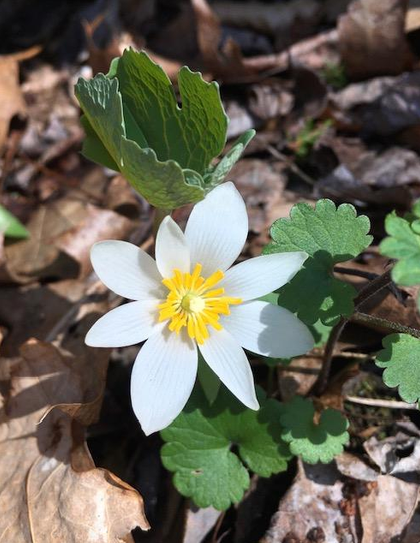
Common name: Bloodroot
Latin name: Sanguinaria canadensis
Other regional names: red pacoon; coon root; red root; tetterwort; Indian paint; snakebite and sweet slumber.
Recent Comments