
Blog
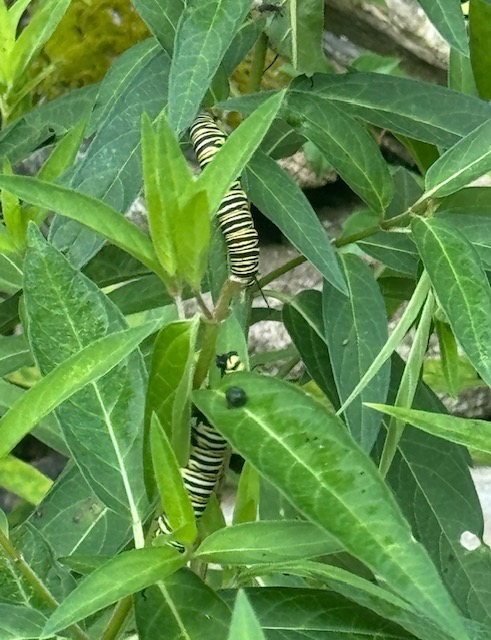
WE’RE ON THE MONARCH HIGHWAY
Photo Credit: Cristen Cottrell In early August, a wandering monarch butterfly found a perfect spot to lay her eggs. A few weeks later, the milkweeds in the Barbara Johansen Pollinator Garden were full of her caterpillars. Monarchs lay their eggs singly on the...
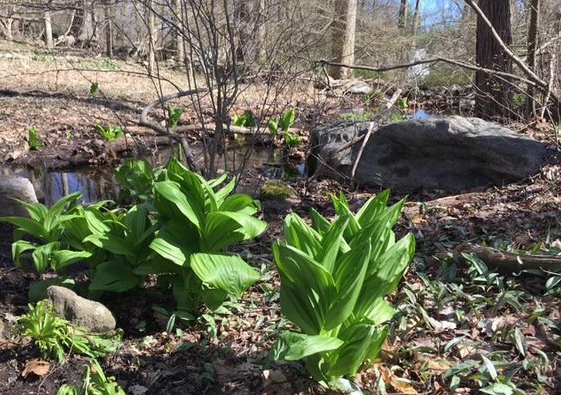
WHAT IN A NAME?
False Hellebore Veratrum viride This plant which grows near wetlands is commonly called false hellebore. It is also known by many other vernacular names such as: Indian poke; corn lily; bear corn; devil’s bite; duck retten; itch weed; poor Annie and tickleweed. And...
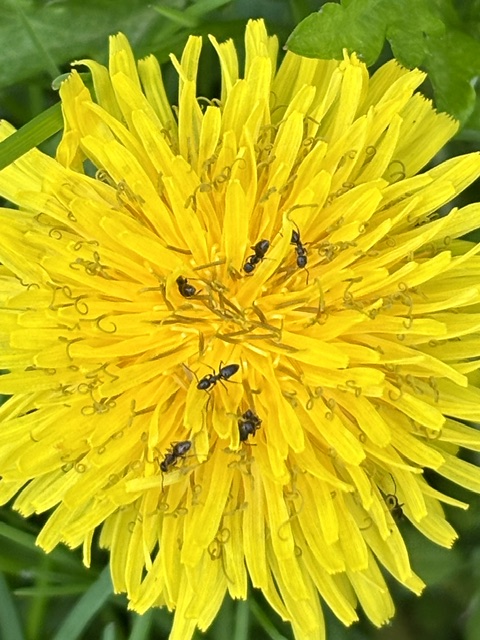
AMAZING ANTS
Ants live everywhere. They thrive in diverse landscapes from fields to forests to bogs to rainforests to deserts. They have adapted to live in the most remote corners of the Earth and in the most crowded urban centers. There are about 14,000 known species of ants...
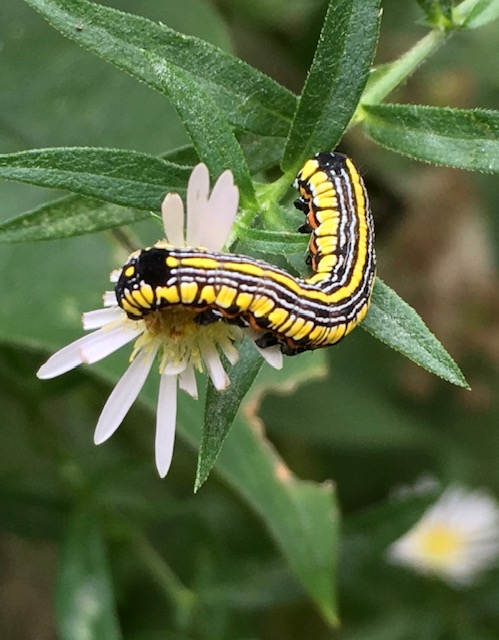
GIVE CATERPILLARS A BREAK
It’s time to rethink our relationship to caterpillars. There are about 750 species of butterflies in North America and an astounding 12,000 species of moths. All go through a four-phase life cycle from egg to caterpillar to pupa to adult. The adult phase, in which...
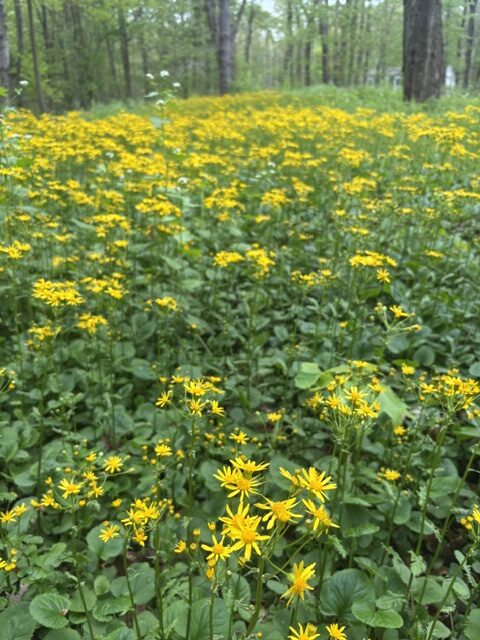
SPRING WILDFLOWERS HERE TODAY, GONE TOMORROW
Many native wildflowers bloom in the early spring to take advantage of abundant sunlight before the leaves unfurl on the canopy trees. They harness the sun’s energy to make chlorophyll, to flower and set seeds and fruits. Once their reproductive job is done, they...
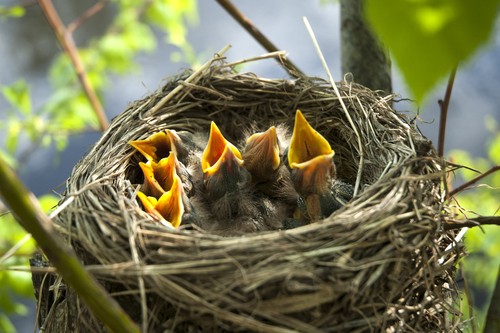
How to Raise a Baby Bird
Male robins are full partners when it comes to helping their mates raise their brood. They bring food to the hatchlings and show them how to forage when they fledge the nest. In contrast, tom turkeys don’t help feed their chicks and have little to do with them. ...
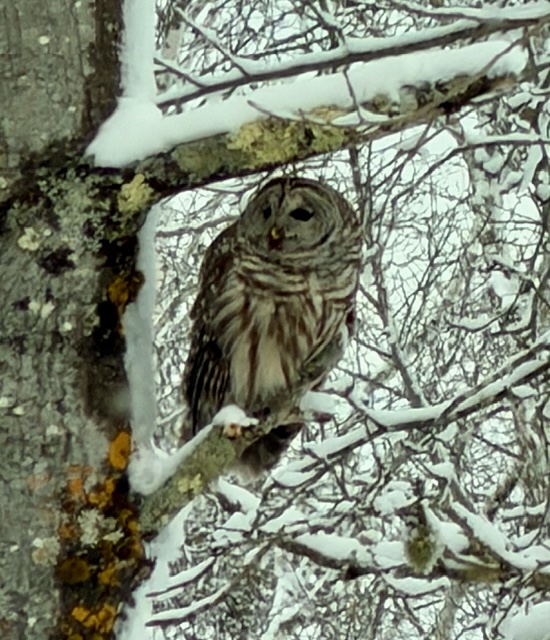
Barred Owls
Barred Owls (Strix varia) are common inhabitants of eastern North America. They thrive in mature woodlands and suburban areas, like New Canaan, which are rapidly becoming reforested. They hunt primarily at dawn and dusk, but are sometimes active during the day. ...
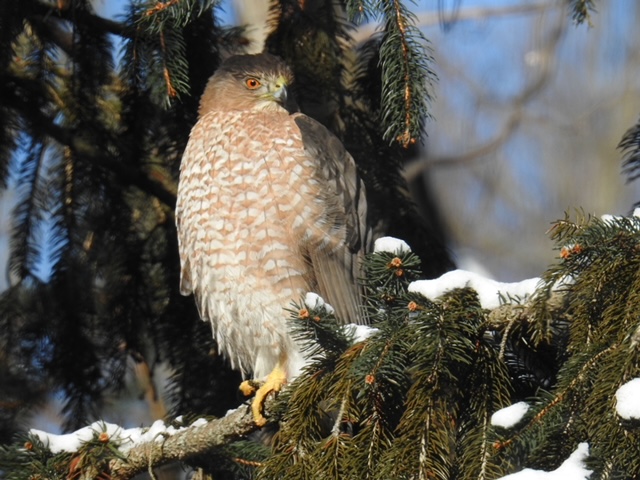
On the Trails in Winter
While the winter world outside our windows may appear to be slumbering, there is still a lot to discover when you venture out. In truth, Nature never rests. Here are some observations made while exploring NCLT’s trails before and after our heavy January snowfall....
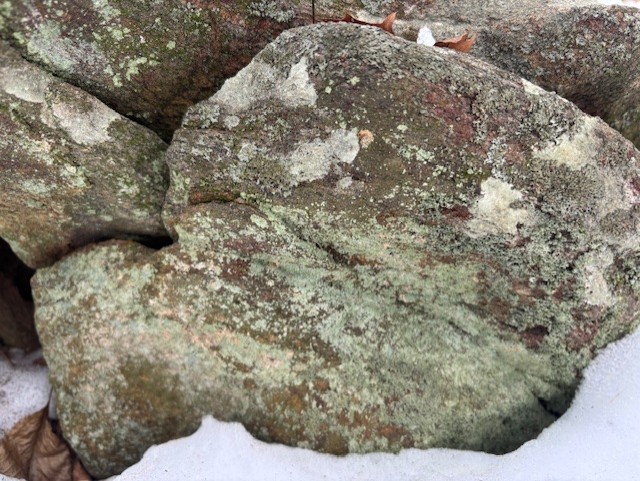
Mysterious Lichens
January is a good time to explore the winter woods and look for lichens clinging to the surfaces of rocks and trees. When the colors of the woods appear brown and muted, the greens and grays of lichen stand out. If lichens were the subject of the guessing game “Twenty...
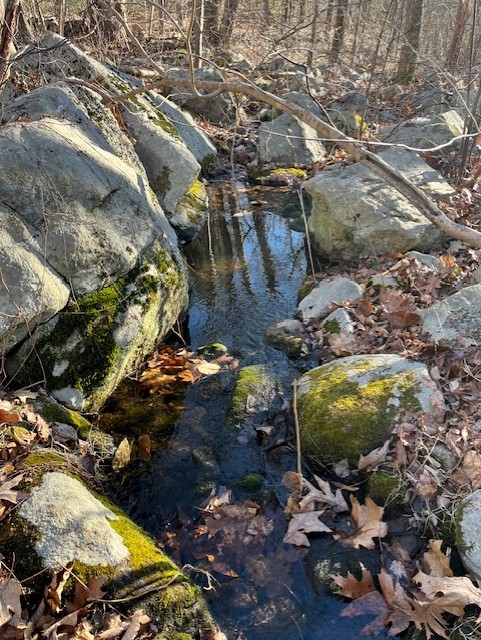
Wetlands, Ponds and Vernal Pools
The New Canaan Land Trust protects acres and acres of wetlands, streams, ponds and vernal pools. These watery habitats are vital to the health of our ecosystems, our wells and drinking water. Wetland and riparian plants hold soils in place and prevent erosion. ...

Why Leave the Leaves?
The leaves are falling and the droning of leaf blowers can be heard all over town as homeowners and landscapers attempt to remove every speck of leaf from our managed outdoor spaces. The current trend of keeping our home landscapes as neat and pristine as our living...

Woolly Bear Caterpillar
Woolly Bears are one of the most recognized caterpillars throughout North America. As they are generally seen in autumn, they symbolize the change of the seasons. In many states, fall festivals are held in their honor. According to folklore, the severity of the...
More Jewel Than Weed… A Surprising Pollinator Plant
Orange-spotted Jewelweed is an annual native to wetlands and moist woodland habitats across eastern North America. It produces extended, skinny seed capsules that burst open with the slightest touch. Hence, the alternative name: Touch-Me-Not. Jewelweed grows three to...
American Chestnut Restoration at New Canaan Land Trust
The New Canaan Land Trust is working with the CT Chapter of The American Chestnut Foundation (TACF) to be a demonstration & educational planting site to showcase the restoration work TACF is doing. American Chestnut was once a dominant tree in CT, comprising 25%-40% of forests depending on where you were. This would have made them as common as oak, beech, maple and hickory are today.
Is It a Firefly or Lightning Bug?
Fireflies and lightning bugs are one and the same. Traditionally, they were called fireflies in the West and northern regions of the country, and referred to as lightning bugs in the Midwest, South, and mid-Atlantic states.

IF YOU PLANT IT, THEY WILL COME WHY CHOOSE NATIVE PLANTS?
Spring is upon us, and that means many of us will hit the garden centers and nurseries in search of plants and flowers to beautify our landscapes. The plants we choose to buy are of great importance. If we select only non-native species that have likely been treated...

An American Chestnut Story
New Canaan Land Trust is joining the American Chestnut Foundation’s (TACF) initiative to restore the American chestnut to the eastern forests of North America. Thanks to the efforts of board member Tom Reynolds, NCLT has been approved to receive several...
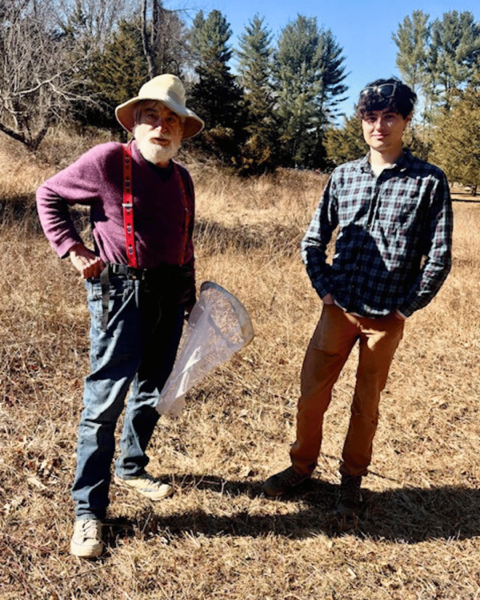
Celebrating Our Native Bees
Last week we invited pollinator specialist, Victor DeMasi to come and identify our large aggregation of ground-nesting bees at Hicks Meadow Preserve. The bees were observed swarming at ground level and digging holes mid-field near the cedar trees. After netting...
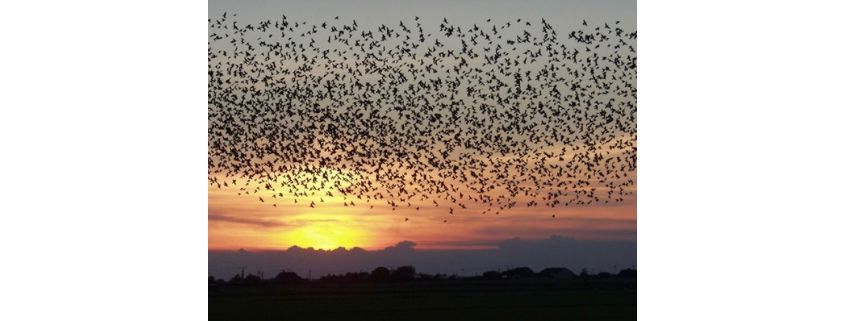
Let’s Turn Out the Lights
Spring migration is upon us as millions of birds wend north to their summer breeding grounds. The first migrants to arrive in Connecticut are red-winged blackbirds, tree swallows and eastern phoebes. These typically arrive in late February, followed by waves of...

Where Do Insects Go in the Winter?
Hicks Meadow provides habitat for overwintering insects Do you ever wonder where all the insects go when the weather turns cold? A few, such as Monarch butterflies, migrate south to warmer climates. Some, like queen bumblebees, hibernate under the soil,...
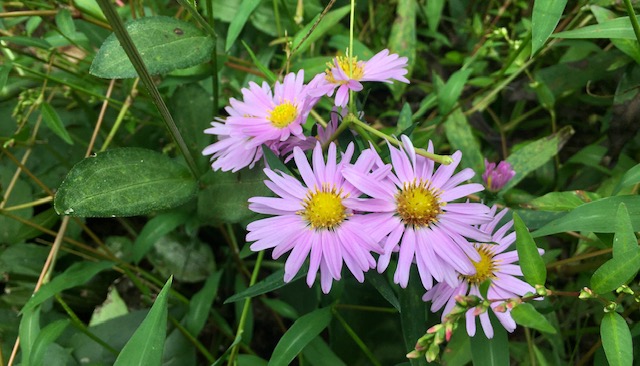
Time for Asters
New England Asters at the Silvermine Fowler Pollinator Meadow Early fall is the time for asters to shine. Their blooming season coordinates with the decreasing sunlight as the days grow shorter. There are over 60 species of native asters in North America. Most...