by Susan Bergen | Aug 7, 2024 | Blog Post, Nature Feature
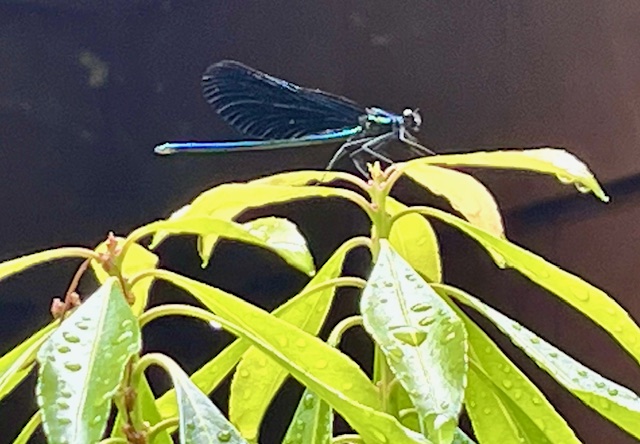
Ebony Jewelwing Damselfly Did you know that dragonflies as a species are older than the dinosaurs? Their prototype appeared on earth nearly 200 million years before the arrival of T Rex and his cousins. Fossil evidence indicates that the largest dragonfly in...
by Susan Bergen | Jul 18, 2024 | Blog Post, Nature Feature
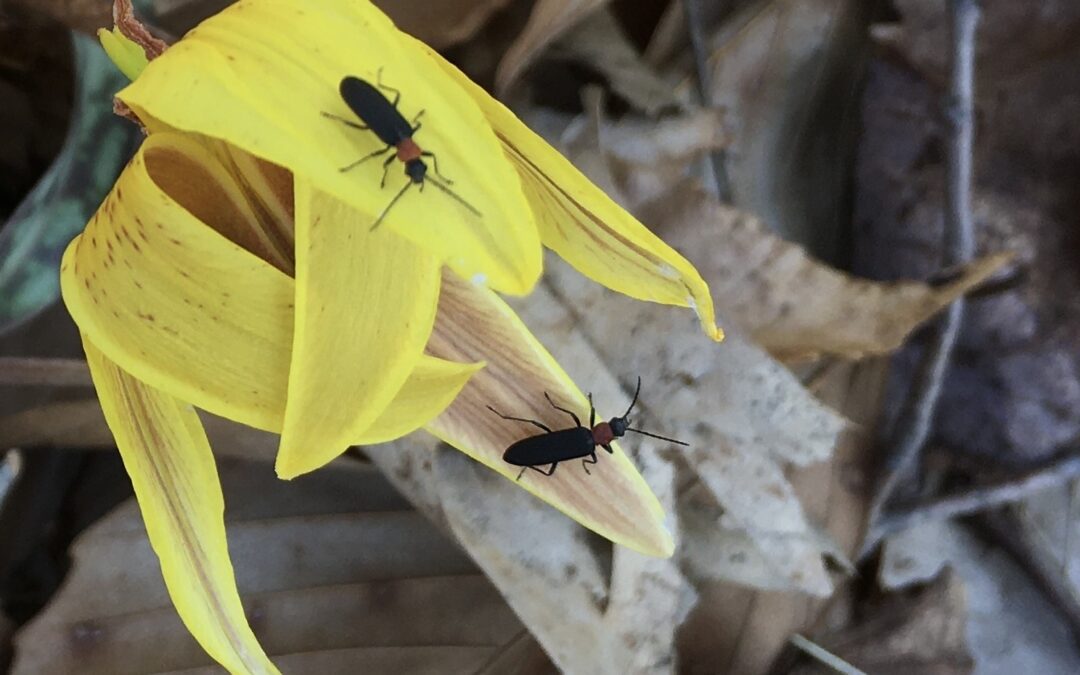
False blister beetles on trout lily The human eye is naturally drawn to the grand vista – sweeping views of distant landscapes – so that we often overlook the minutiae living at our feet. Much of the intersection between the plant and animal world happens at eye level...
by Susan Bergen | Apr 1, 2024 | Blog Post, Nature Feature
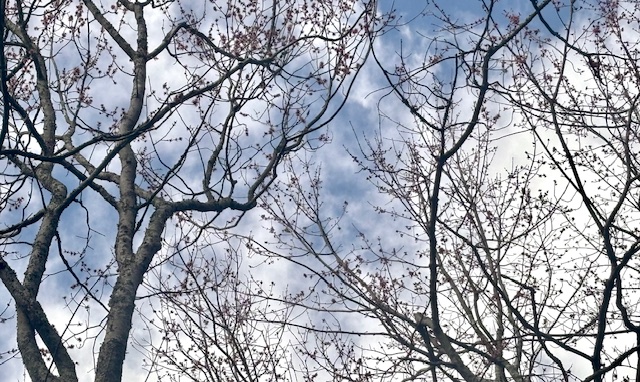
The eastern red maples silhouetted against the sky at the Colhoun meadow are pictured above. The red buds are actually flowers that need to be pollinated to produce viable seeds. To enable fertilization, the pollen must be transferred between the stamen (male parts of...
by Susan Bergen | Mar 5, 2024 | Blog Post, Nature Feature
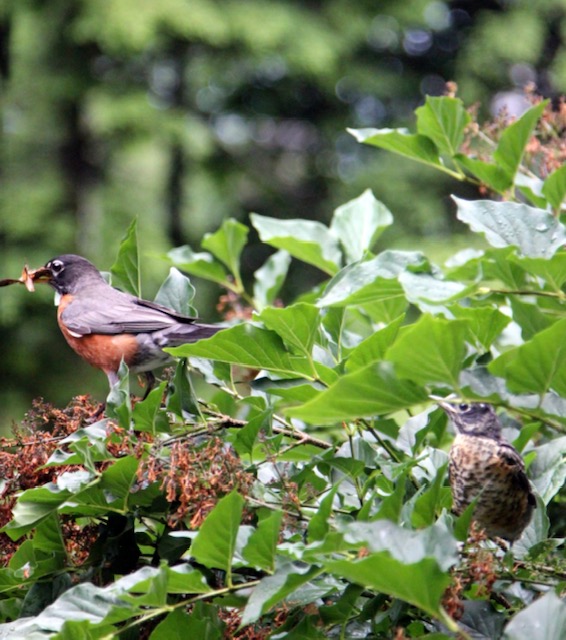
Robins in holly A robin nests in a holly bush. A bumblebee savors meadowsweet pollen. A wild turkey gobbled down the dark blue berries on the maple leaf viburnum. A swallowtail butterfly lays her eggs on a spicebush leaf. A red fox bounds away into the thick...
by Susan Bergen | Feb 6, 2024 | Blog Post, Nature Feature
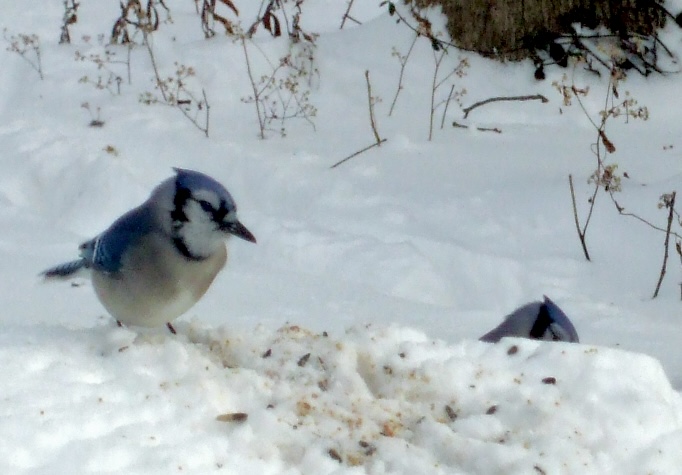
Blue Jays amidst a scattering of bird seed Birds spend the majority of their waking hours looking for food. Flying requires a lot of energy, which depends on a constant supply of sustenance. When the temperature drops and the leaves fall, many birds head south to...
by Susan Bergen | Jan 2, 2024 | Blog Post, Nature Feature
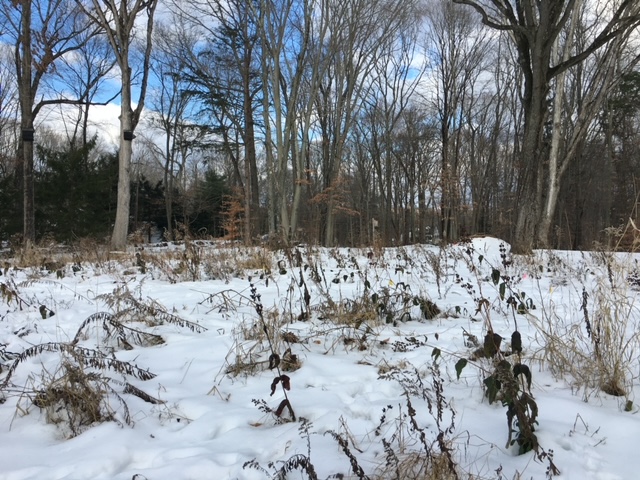
Much of the natural world appears to sleep in winter. Plants go dormant, nights are long and frigid, and food becomes scarce. It can seem to be an impossibly inhospitable environment at times, but the wild creatures among us have developed many survival strategies....

Recent Comments