New Canaan Land Trust Firefly Sanctuary and Trail:
CLOSED FOR THE SEASON
Why is the Firefly Sanctuary Closed?
The sanctuary is temporarily closed to allow for essential habitat restoration work, as well as much needed trail maintenance. The trail to the Firefly Sanctuary will be closed during this time to allow crews to complete their work effectively and ensure visitor safety. This effort is part of the New Canaan Land Trust’s broader commitment to preserving and enhancing local ecosystems so they can continue to support firefly populations for years to come.
A Healthy Habitat is Critical
Fireflies thrive in humid, damp environments where they can lay their eggs, find food, and interact with other fireflies during mating season. They are especially drawn to areas near wetlands, streams, and wooded regions, where moisture levels remain consistent and there is an abundance of both plant life and insect prey.
The habitat restoration efforts at the Firefly Sanctuary focus on several key aspects:
- Improving wetland areas ensures an ideal environment for firefly larvae and adults.
- Reintroducing native host plants for their food and shelter.
- Removing invasive species that compete with natives for resources.
Looking Ahead
The Firefly Sanctuary plans to open next season with a healthier, vibrant and sustainable habitat for these fascinating creatures.
We thank you for your understanding and support as we work to ensure that future generations will continue to experience the wonder of fireflies in their natural environment.
Please subscribe to our newsletter to stay informed about this restoration and other New Canaan Land Trust initiatives.
Marvin, Massarella, & Friends Firefly Sanctuary
Location: Northern New Canaan, just north of the intersection of Sleepy Hollow Road and Laurel Road.
Access: Visitors should park across the street from 33 Sleepy Hollow Road, and access the property via a small footbridge on the west side of the road.
Date Protected: 1983 and 2015 Acreage: 6.5 Trail Length: 0.3 miles
Dogs Allowed? Yes, on leash
History: The Land Trust’s Firefly Sanctuary is likely the first dedicated firefly preserve in the United States. Its protection came in two phases, with the first 2.5-acres gifted by David and Marion Marvin in 1983. Thirty-two years later, in 2015, the Land Trust was given the opportunity to acquire an adjoining 4 acres of forest and meadow from Anthony and Marie Massarella at a reduced price. Thanks to the generosity of Massarellas and some of the immediate neighbors, NCLT raised the funds needed to protect this parcel, and triple the acreage of the preserve.
Listen to our podcast. New Canaan Land Trust Presents the Wondrous World of Fireflies.
A conversation with Dr. Sara Lewis.
New Canaan Land Trust’s Executive Director Aaron Lefland interviews renowned scientist and professor Dr. Sara Lewis about fireflies. Dr. Lewis, who has studied fireflies for nearly three decades, offers insights into the luminous lives and behaviors of fireflies.
Firefly Viewing Etiquette:
-
- Limiting Light Pollution: Fireflies communicate using light, so any artificial light can confuse and disorient the fireflies during their critical mating period. As such, we ask that visitors minimize their use of lights while at the sanctuary. By arriving at 8:30, visitors will be able to make it up to the viewing area without the need for a flashlight. While viewing fireflies, please limit phone use. Should you want to take pictures, please dim your screen to the lowest possible setting and turn your flash off. On your way back to your car, cover your flashlight as much as possible and keep it pointed at the ground.
- Using Insect Repellent Responsibly: Fireflies are also affected by insect repellent, so we ask that visitors apply bug spray while at the parking area. No insect repellents may be applied at the viewing area. We encourage the use of natural insect repellents, and also encourage visitors to wear long-sleeve shirts, long pants, and hats to deter insects.
- Minimizing Impacts: Staying on marked trails and sitting in the established seating areas both help to minimize our cumulative impact on the sanctuary and its residents. Fireflies that have not yet reached their adult form live on the ground, and can be easily trampled and crushed by humans walking through.
Land Stewardship: In addition to trail maintenance projects, NCLT works to ensure that the property is ideally suited for the enormous firefly population that calls the sanctuary “home”. Limited mowing creates the grassy/brushy habitat that fireflies need, while preventing woody plants from taking over. We deliberately leave woody material on the ground to serve as nesting sites for the fireflies. This downed materials also serves as a home for the worms and snails that firefly larvae eat.
More: Read on about our “one of a kind” firefly sanctuary in THIS article by Dr. Christopher Cratsley, a biologist and entomologist at Fitchburg State University.
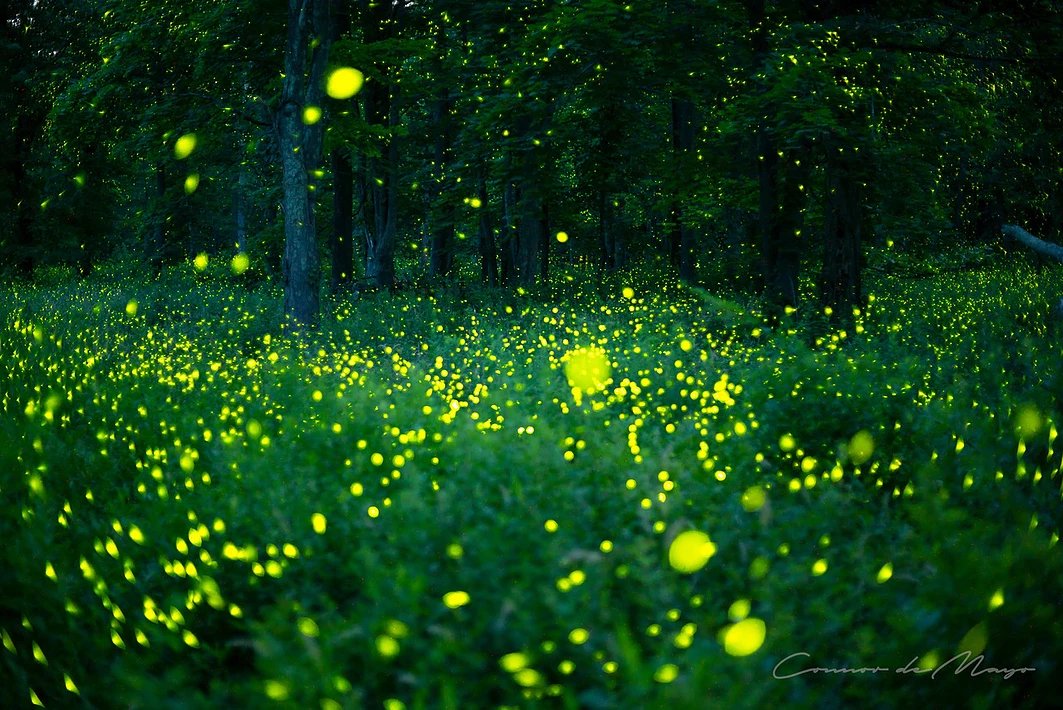
Fireflies Light Up the Night Sky
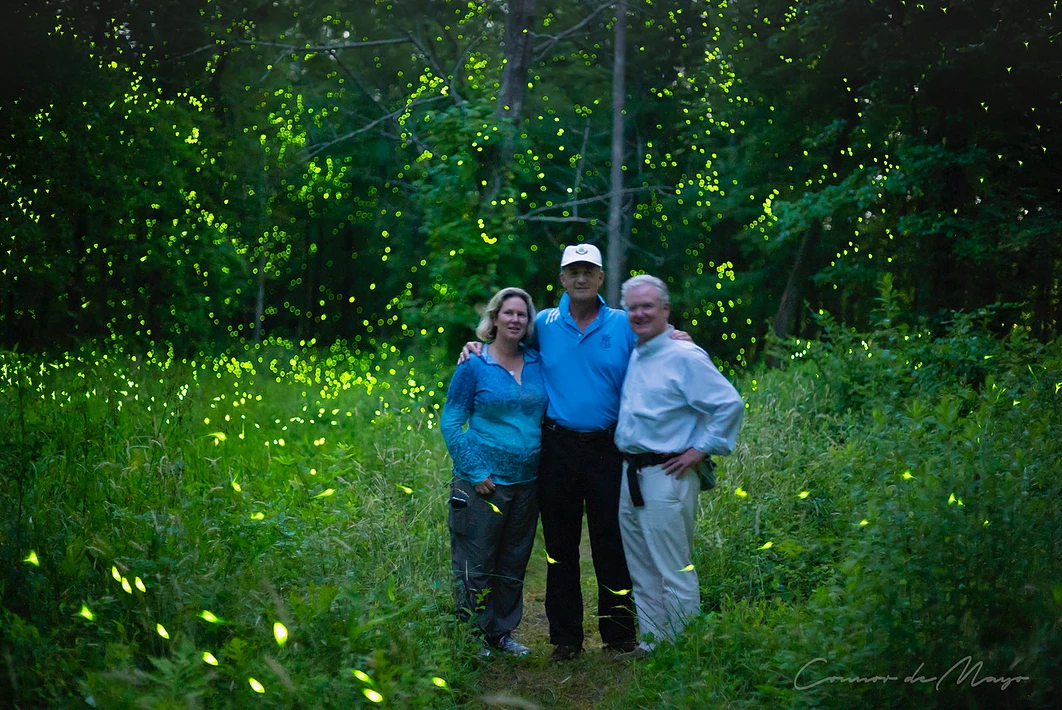
Visitors Enjoying the Firefly Sanctuary
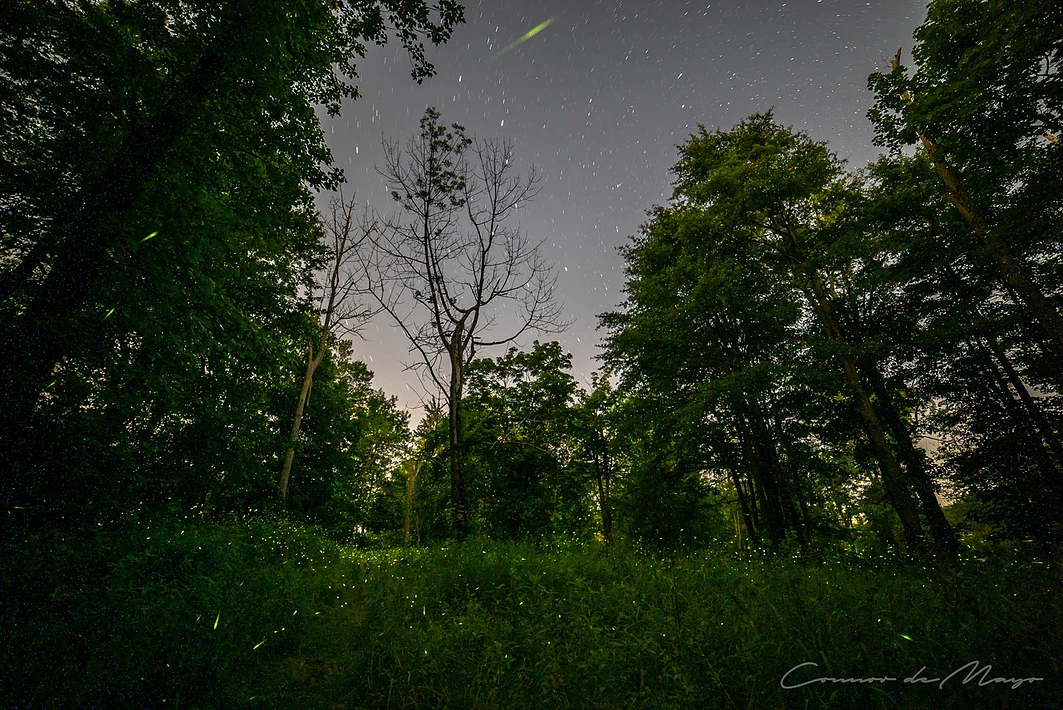
A Perfect July Night for Firefly Viewing
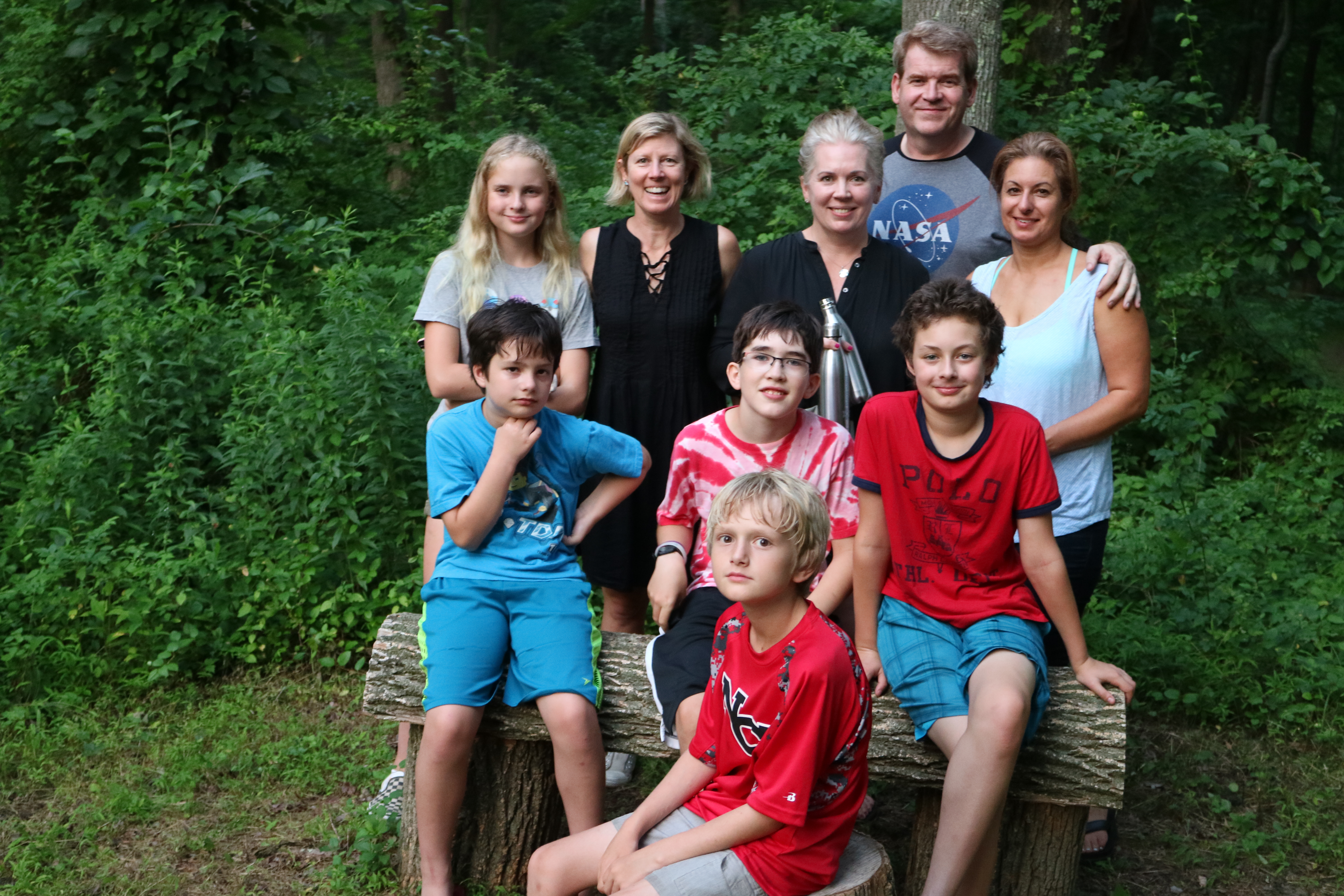
A Family-Friendly Experience
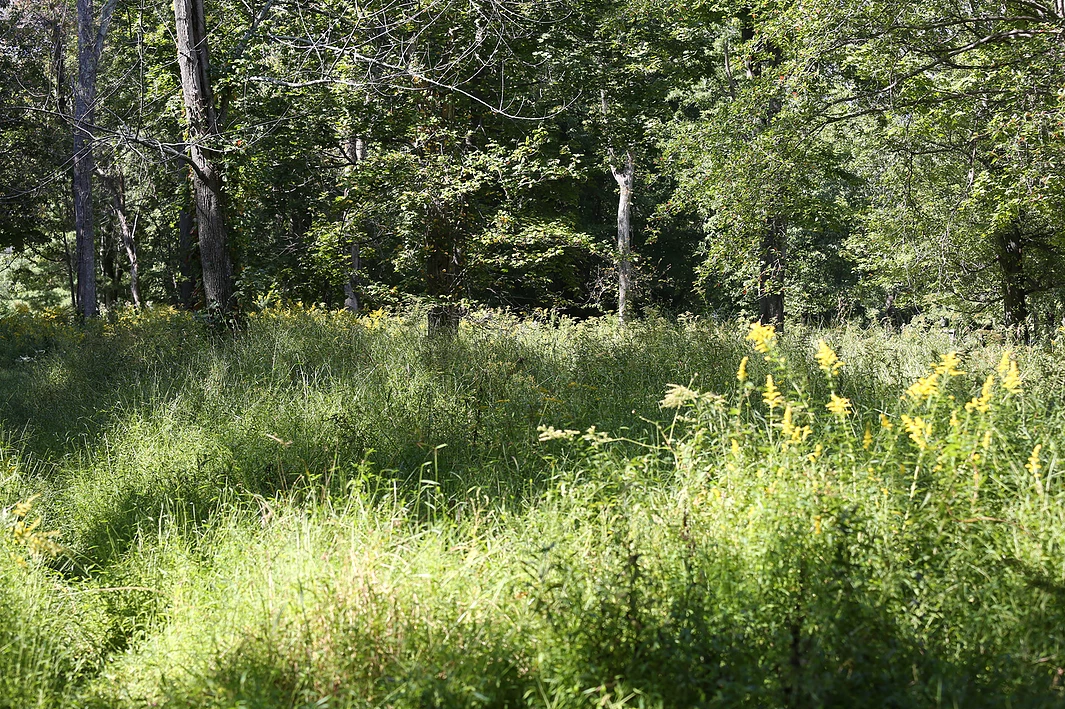
Firefly Field During the Day
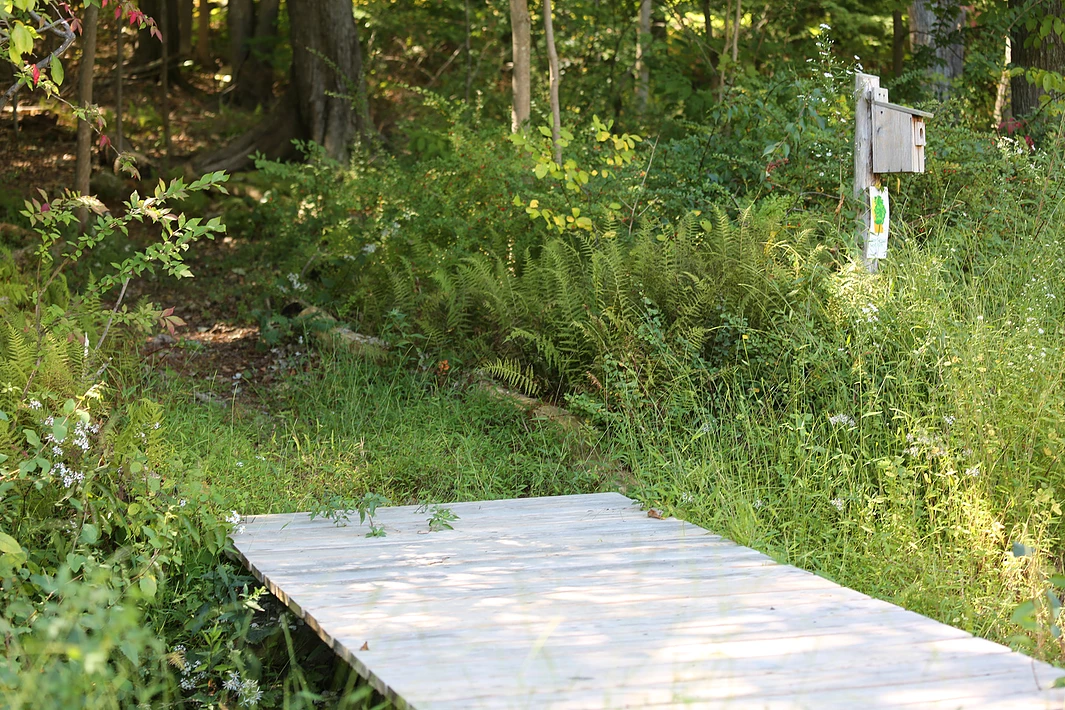
Sanctuary Entrance on Sleepy Hollow Road
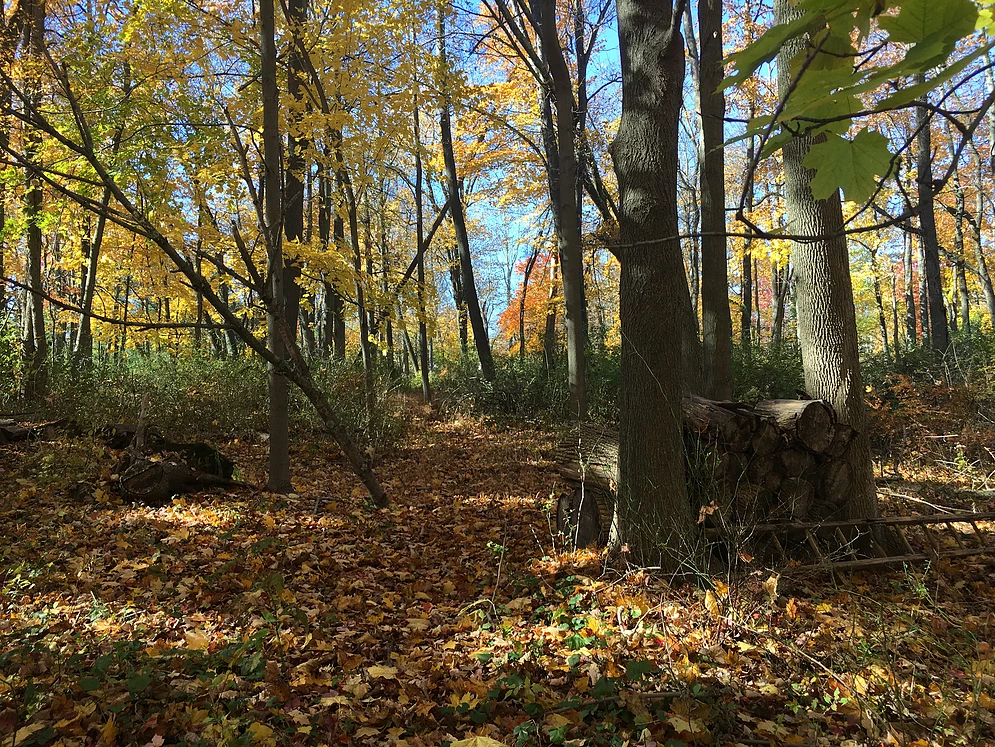
Woodlands in the Fall